Ham Radio
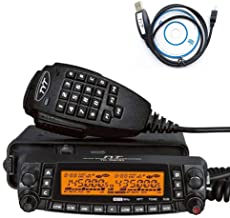
Radios are an integral part of our lives. They exist in cell phones, remote controls, cars, any devices that is capable of communicating wireless even non communication devices like X-Ray machines and Microwaves. The HAM community pioneered virtually every radio related technology in existence and as such they contain both a wealth of knowledge, but also a pre-existing and maintained communication network that exists outside of traditional communication companies.
Because of the ease of use of walkie talkie style ham radios they make the perfect tool for individuals concerned with having personal control over their ability to communicate long distances if all traditional communication methods become unavailable for some reason. The reason could range from a basic natural disaster to governmental crackdown on various forms and methods of communication.
People’s Rights

Our parent site also has a good write up on ham radio resources and you should check it out as well.
Most areas have pre-existing ham radio networks and nets you can monitor and join. Many of these areas have backup simplex frequencies as well, so if the net repeater goes down you have a backup frequency. Learning and knowing your local frequencies is important because it will tie you into an emergency communication network far larger than People’s Rights by itself.
However, there are instances when a People’s Rights group may want their own frequency apart from the local ham or emergency nets. In these cases the 2 meter frequency of 146.420 has been chosen as the simplex backup method of communication.
FCC
Whether or not you agree with governmental licensing and control, the government has established an agency that attempts to get people in trouble if you do not follow their rules. The name of that agency is the FCC, and they mandate that you get a Ham license if you do not want them to target you. While most HAMs are very nice and forgiving and more than willing to help you learn from any mistakes you make they do tend to strictly follow the rules. So you should at least be aware of activities the FCC has decided are illegal.
- Transmitting without a license has been deemed illegal by the FCC. While technically jail time is on the table, the local hams have never heard of it going that far before.
- Transmitting with encryption has been deemed illegal by the FCC. You can lose your FCC license if you have one.
- Note: Listening on any frequency is not something the FCC calls illegal.
If you want to get certified to follow the FCCs rules there are lots of classes available online, one good free one comes from The Ham Whisperer. While they are slightly dated, the teaching style is worth it, and will give you 80-90 percent of what you need to know to pass the exam.
- Level 1 (Technician) – 10 hours average study time, about 5 on the videos, and about 5 on practice exams. This is the highest level most people would ever need to get.
- Level 2 (General) takes around 20 hours.
- Level 3 (Amateur Extra) takes about 30 hours.
Once you have taken the classes so you have a general idea of how things work, the next step is to cram for the exam, you need a score of 76 to pass the exam. The practice test questions and answers are word for word what you should expect to see on the exam. Both the video classes, and the practice tests can be done on your phone.
Baofeng Radio
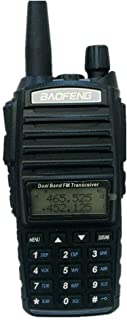
Ham radios are both legal and, thanks to the Chinese company Baofeng, can be obtained for as little as $25. Now a Ham will be quick to tell you that the Baofeng is a piece of junk, and from a certain point of view that is true. The Baofeng radio is not easy to perform detailed configurations on, is not constructed well from an electromagnetic performance perspective, and has some annoying software bugs in it. However it is easy to operate out of the box, has a pretty robust construction (can be dropped a lot), and the next radios up cost in the hundreds of dollars. So for most people just getting started with this alternate means of communication the Baofeng is the natural and only reasonable choice for them.
The good news is that all of the Baofeng ham radio models out there are pretty comparable, so it doesn’t matter which one you get. Just don’t get their walkie talkies, you need a HAM radio that can communicate on the 70cm and 2m bands.
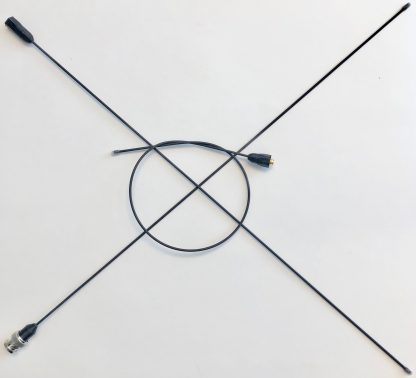
If you want a slightly better radio, TYT makes a knockoff Quad Band 50W mobile radio that gets reasonable reviews considering the low $250 price tag. Compared to the 5 watts the baofeng puts out, this radio is a lot stronger, in general the average person will never need more than 10 watts.
It is hard to make a bad radio purchase as others who are just starting out could really use and equipment you no longer need. However before making a purchase chasing more power, consider upgrading your antenna.
Antennas
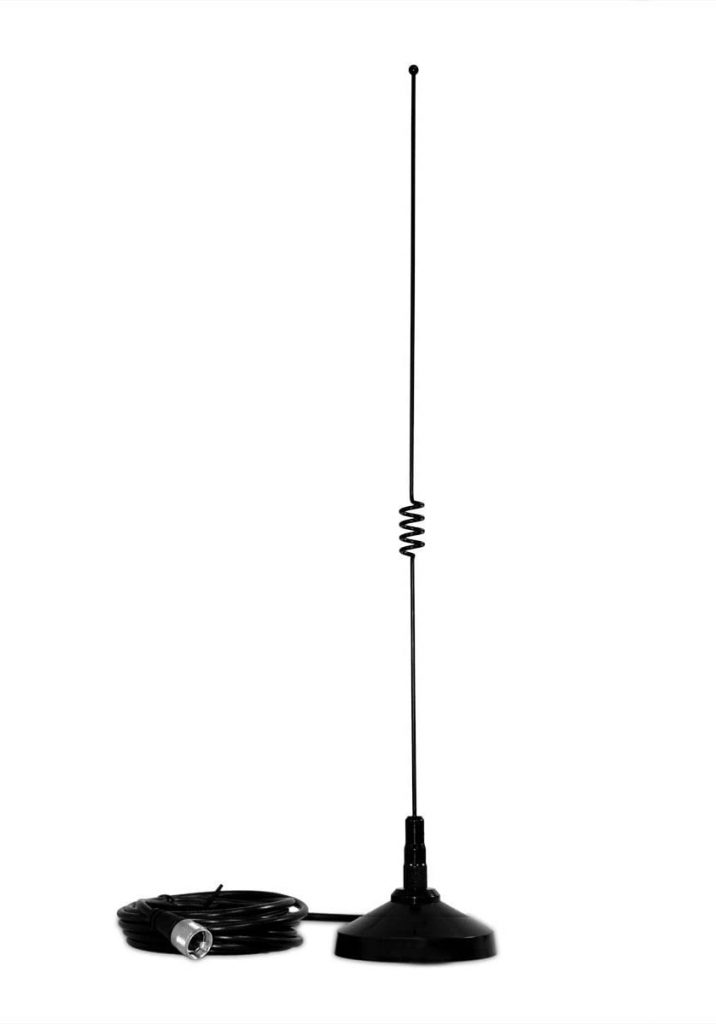
The size and shape of the antenna you use makes more difference than almost anything else in how far your radio can reach communicating with another radio. While any antenna can technically receive any frequency, every antenna resonates at a very specific frequency, the further away the frequency you are using gets from the antennas resonance frequency the weaker your receive and transmit will be. Most inexpensive antennas resonate reasonably well on the 70cm (420MHz – 450Mhz) and 2m (144MHz – 148MHz) bands, which are the most common for local communication.
- A diamond antenna on a roof can reach between towns with ease on 5 watts, it runs around $150.
- A mag mount antenna on a car can go many miles and start at around $20
- The “rubber ducky” antenna the baofeng comes with reaches several miles with difficulty. You can improve the signal by adding the other half of the “di-pole” with a bit of wire dangling off the base of the antenna.
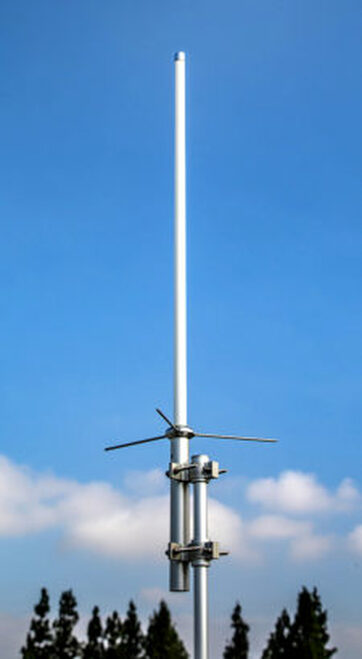
Nearly as important as the antenna is how high off the ground it is and where it is located at. Radio waves travel in roughly a straight line, often referred to as line-of-sight. While the waves can bounce off of objects, and go through some objects, every bounce or pass-through results in a portion of the wave being absorbed, making it weaker and reducing the distance it can travel.
Finding a high location for your antenna will maximize the distance it can transmit and receive signals. The higher the better. Most Hams mount an antenna on their roof or on a flagpole.
You also want to pick a good location, one that is not surrounded by trees, buildings, or other obstacles to the best of your ability. Electrical wires are also something you want to avoid close proximity to as they can mess with your signal.
Communication Style
While there are a lot of subtleties in Ham radio communication, most of them take years of being an active part of the community to get the hang of. However, there are a few that will cover the majority of the cases, and make you fit right in as a very competent radio operator.
- When speaking, hold the mic alongside and right next to your mouth. Never talk directly into the mic, instead talk across it at nearly a 90 degree angle.
- Learn the Phonetic alphabet, it is a standard used by the police (at least those with training) and other first responders as well as the military. Practice being able to say your name and your call sign in it.
- Be polite and wait for your turn to speak
- Cut out all excess words, especially cursing. Radio communication is about efficiency, not gossip.
Frequencies

Choosing the proper frequency for communication is essential, it must match your antenna, and it must match the distance you are trying to transmit. Higher frequencies, such as the 70cm band, don’t go as far, but generally penetrate objects much better so they work great around a town. Lower frequencies tend to travel further, but are more easily blocked or redirected by objects in their path.
In this area your best option is probably to talk to your local group leaders and get advice from them. Most likely they already have a list of frequencies in use in the local area that you can use.
Advanced Learning
Advanced here does not mean technically advanced. These resources are for those who want to try and have technical concepts explained to them in a slightly more lay man manner.

Learn why an Antenna Radiates
For most people just knowing that an antenna works, and a bigger antenna usually works better is usually enough. But for those who are truly curious, this article tackles looking at how the electron particles work to generate the electromagnetic radiation that comes off of an antenna.
High Frequency Radiation and Human Exposure
Radiation exists everywhere, you can’t escape it. Some of it is used by everyone, such as sunlight, all of it can be used in various ways, some of it can be really harmful to humans. If you are the kind of person who wants to know where in this range HAM Radios operate, and how they are related to all the other frequency ranges out there, then this article would be a good stepping stone for you.